Yunus Şirin Hair Transplant Antalya introduces the role of Yunus Şirin within the Micro FUE Turkey Antalya team, including his healthcare background, technical hair-transplant experience, contribution to daily treatment workflow and support for international patients.
Patients researching hair transplant in Antalya often focus on the treatment technique, donor area and expected result. An equally important part of the experience is how consistently the different stages of treatment are coordinated.
Within the Micro FUE Turkey Antalya structure, Yunus Şirin contributes to consultation support, treatment planning, procedural workflow and communication throughout the patient’s time in the clinic.
Yunus Şirin’s Role at Micro FUE Turkey Antalya
Hair transplantation involves several connected stages rather than one isolated procedure. Consultation, donor evaluation, hairline planning, graft handling, implantation and post-treatment care need to follow one consistent treatment plan.
Supporting the collection of patient information and helping maintain continuity between preliminary consultation and treatment-day planning.
Participating in technical stages of the hair-transplant workflow under the structure and supervision of the medical team.
Helping international patients move through consultation, treatment and early aftercare with consistent communication.
Clinical Background and Technical Experience
According to the supplied professional profile, Yunus Şirin has more than 10 years of experience in the healthcare field and a background in anesthesia technology.
His professional experience also includes work within hospital environments and involvement in hair transplant procedures requiring coordinated teamwork and adherence to clinical protocols.
Healthcare Environment
Experience working within hospital settings where hygiene, monitoring and structured clinical workflows are important.
Anesthesia Technology Background
A professional background in anesthesia technology contributes to familiarity with patient monitoring and procedural preparation.
Hair Transplant Experience
Practical involvement in hair transplant workflows including extraction and implantation stages.
Patient Comfort
Supporting patient monitoring and communication during a treatment that can continue for several hours.
Three Areas Where Team Continuity Matters
Patient information, hair-loss pattern and treatment expectations need to be communicated clearly before the final plan is confirmed.
Extraction, graft preparation, implantation and patient monitoring require coordination between members of the treatment team.
Patients need clear washing, medication and early recovery instructions after leaving the treatment room.
Contribution to Hair Transplant Procedures
Hair transplantation requires a synchronised team working within the medical treatment plan. The source profile describes Yunus Şirin as contributing across several technical and organisational stages of the procedure.
This includes support for hairline planning, graft extraction and implantation stages, local anaesthesia-related workflow and coordination with the wider medical team.
Hairline Planning Support
Treatment preparation includes considering hairline shape, the recipient area and the planned distribution of available grafts.
Graft Extraction Workflow
Graft extraction must follow the agreed donor-area plan and preserve the available donor supply as carefully as possible.
Implantation Support
Implantation requires attention to graft distribution, angle, direction and coordination with the treatment plan.
Patient Monitoring
Hair transplantation can take several hours, making patient communication, comfort and structured monitoring important throughout the day.
Workflow Coordination
Different stages of treatment need to move smoothly from one phase to another without losing consistency in the overall plan.
Planning for Natural-Looking Hair Transplant Results
A hair transplant result is influenced by more than the number of grafts transplanted. Donor management, hairline design and the way grafts are distributed across the recipient area all influence the final appearance.
Realistic Density Planning
The visual density that can be created depends on donor capacity, hair calibre, recipient-area size and the distribution strategy.
Hairline Structure
A hairline should be planned around age, facial proportions, existing hair and possible future hair loss.
Graft Direction and Angle
Implanted follicles should be placed according to the intended growth direction and the surrounding natural hair pattern.
Donor Preservation
The donor area is limited, so extraction planning should consider both the current procedure and possible future needs.
Structured Workflow and Team Coordination
Hair transplant procedures commonly continue for several hours and involve several technical stages.
The source profile describes Yunus Şirin as helping maintain workflow continuity between the different members of the treatment team.
This includes supporting communication, maintaining the sequence of procedural stages and contributing to hygiene and clinical workflow standards.
Patient-Centered Support for International Visitors
Patients travelling to Antalya for hair transplantation often communicate with the treatment team before arriving in Türkiye.
This means clear communication is important not only on the day of the procedure but throughout the wider patient journey.
Preliminary Communication
Photos and medical information can help prepare an initial discussion before the patient travels to Antalya.
In-Person Confirmation
The donor area, scalp, hairline and final graft plan should be assessed in person before treatment is confirmed.
Treatment-Day Guidance
Clear communication during a long procedure can help patients understand each stage of the treatment day.
Early Aftercare
Patients need practical guidance concerning washing, medication, sleeping position and early scalp care.
Ongoing Communication
International patients should know how to contact the treatment team if questions arise after returning home.
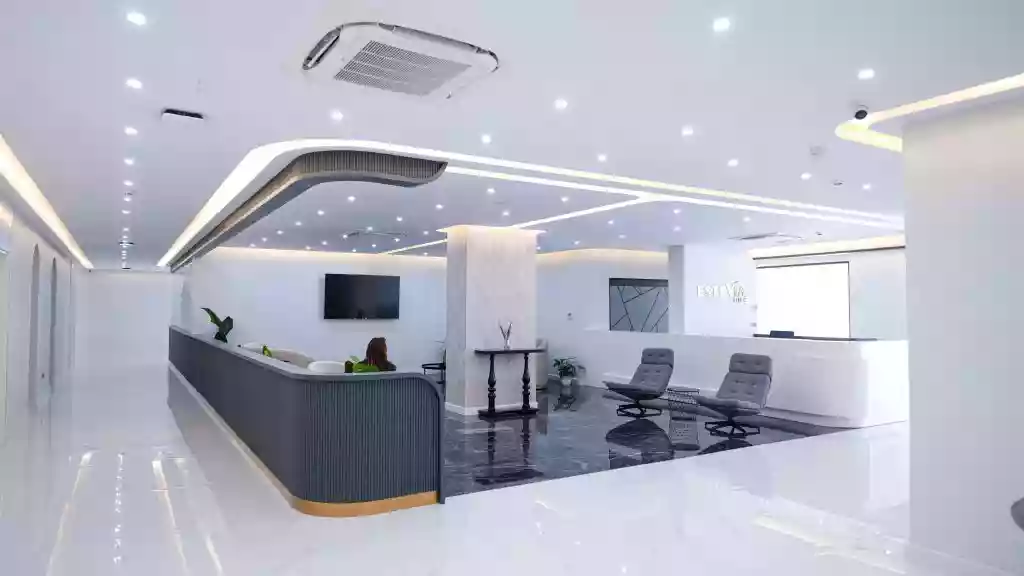
Hair Transplant Treatment in Antalya
Antalya is a major Mediterranean city with an international airport, accommodation, pharmacies and transport services that can make treatment logistics practical for patients travelling from abroad.
For hair transplant patients, clinic access and early follow-up should be prioritised over holiday activities during the first stage of recovery.
Three Principles Behind a Structured Patient Experience
Information gathered during consultation should remain consistent with treatment-day planning and aftercare.
Patients should understand how the surgeon, medical team and technical staff contribute to different stages of treatment.
Hair transplant planning should focus on donor capacity and long-term appearance rather than guaranteed density or fixed graft promises.
Medical Supervision and Health Tourism Checks
Patients considering hair transplant treatment in Antalya should verify the treatment location, medical professional responsible for their care and how the technical team is supervised.
International patients should also check relevant healthcare and health-tourism authorisation information and make sure they understand the planned procedure and aftercare before travelling.
Yunus Şirin Hair Transplant Antalya: Frequently Asked Questions
Who is Yunus Şirin?
What is Yunus Şirin’s healthcare background?
What does Yunus Şirin do during hair transplant procedures?
Does Yunus Şirin work with international patients?
Who confirms the final hair transplant plan?
Why is team coordination important in hair transplantation?
Can a hair transplant result be guaranteed?
Where does Micro FUE Turkey Antalya coordinate treatment?
Yunus Şirin and the Micro FUE Turkey Antalya Team
A hair transplant in Antalya depends not only on the technique selected but also on how effectively consultation, planning, treatment and aftercare are connected.
The supplied professional profile describes Yunus Şirin as contributing across these different stages through his healthcare background, technical hair-transplant experience and involvement in patient and workflow coordination.
His role forms part of a wider team-based treatment structure in which donor management, hairline planning, graft handling, implantation and patient communication need to remain aligned.