Asking Is It Risky to Get a Hair Transplant in Turkey? requires evaluating specific medical credentials, doctor supervision, accredited hospital standards, and climate recovery guidelines in destinations like Antalya.
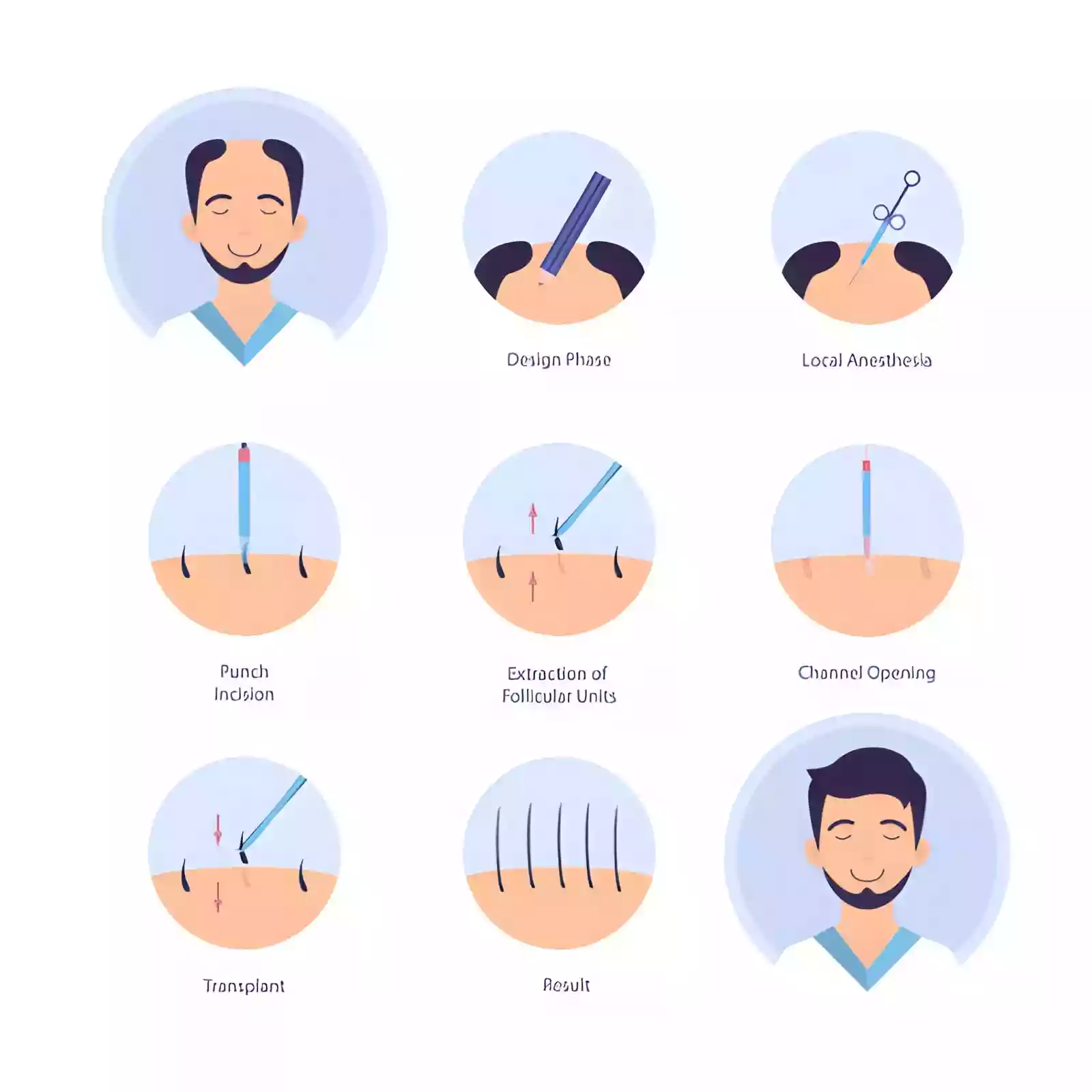 Evaluating Safety: Is It Risky to Get a Hair Transplant in Turkey?
+
Evaluating Safety: Is It Risky to Get a Hair Transplant in Turkey?
+When international patients inquire, Is It Risky to Get a Hair Transplant in Turkey?, the answer depends entirely on provider selection, surgical supervision, accredited facility licensing, and proper post-operative follow-up.
Turkey is home to world-renowned medical centers, particularly in major healthcare hubs like Antalya. However, evaluating safety requires assessing individual clinic credentials rather than relying on destination marketing alone.
Evaluating Clinical Safety in Türkiye
Asking Is It Risky to Get a Hair Transplant in Turkey? requires distinguishing between low-cost unaccredited setups and fully licensed private hospitals operating in major medical destinations like Antalya.
In Antalya, international patient care is strictly regulated by government bodies. Choosing a clinic with certified operating rooms, transparent surgical staff, and clear post-op care significantly minimizes potential procedural risks.
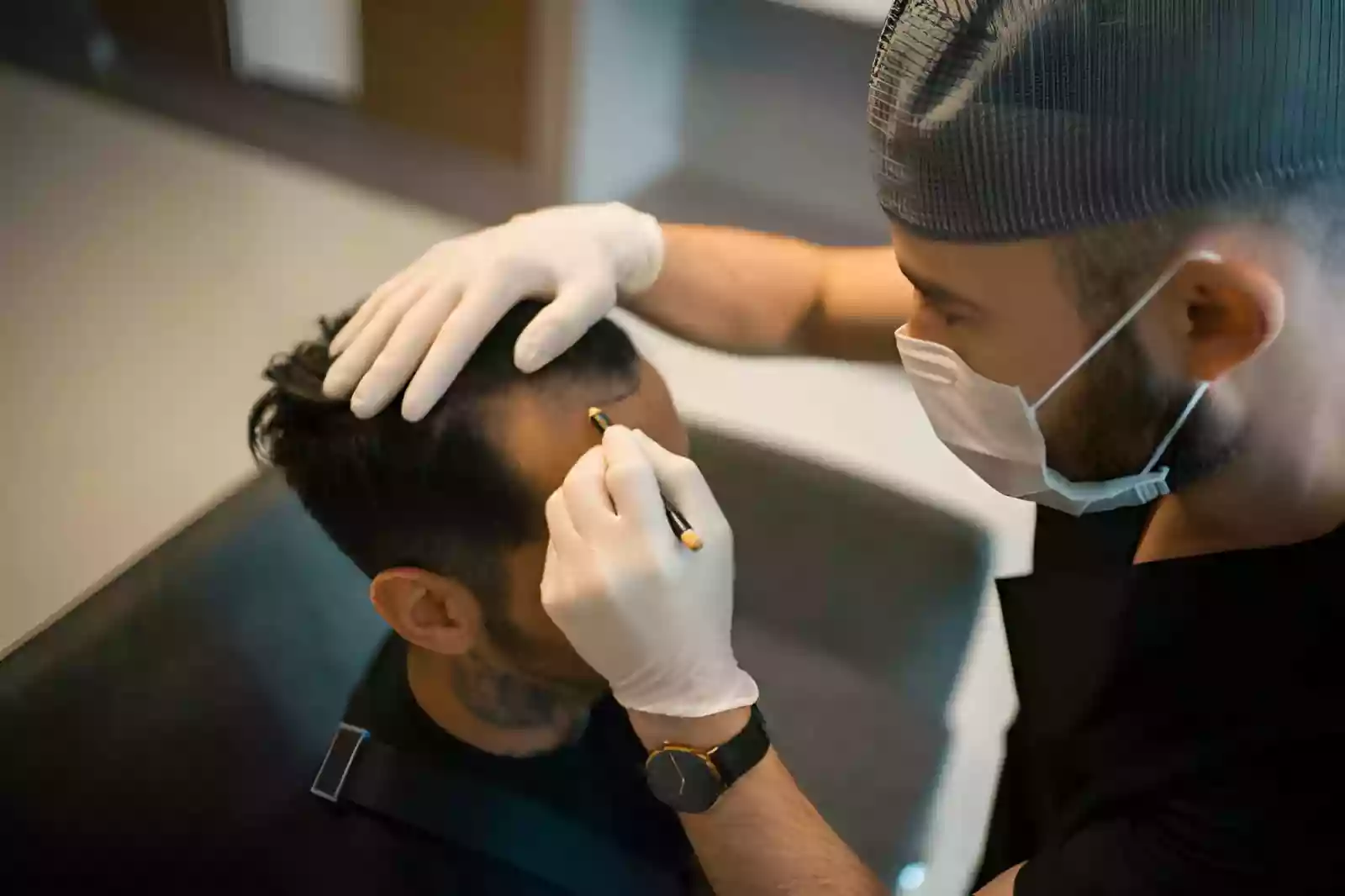 Clinical Safety Evaluation & Consultation in Antalya
+
Clinical Safety Evaluation & Consultation in Antalya
+Turkish Ministry of Health Licensing Standards
To ensure patient protection when evaluating whether Is It Risky to Get a Hair Transplant in Turkey?, verify that your selected clinic meets mandatory state health regulations.
Key regulatory compliance factors include:
- Health Tourism Certification: Authorized medical facilities must possess an official International Health Tourism Authorization Certificate granted by the Turkish Ministry of Health.
- Physician-Led Surgery: A certified doctor must perform or directly supervise key surgical stages, including scalp diagnostics, local anesthesia, and incision channels.
- International Guidelines: Reputable centers align with global standards outlined by the ISHRS and public guidance like NHS or GOV.UK.
- Transparent Pricing: Procedure costs depend on individual graft requirements and surgical complexity. Contact clinics directly for detailed price information.
Real Risks Associated with Hair Restoration
Hair transplantation is a surgical procedure. Understanding potential medical and cosmetic complications helps patients make informed decisions.
Unskilled hairline planning can result in overly low, rigid, or artificial hairline shapes that fail to match facial proportions.
Excessive extraction damages donor density, leaving visible patchy scars and exhausting hair reserves for future needs.
Substandard graft handling, prolonged out-of-body holding times, or improper placement depth can reduce growth rates.
Inadequate surgical hygiene or poor post-operative care increases infection risks in donor or recipient zones.
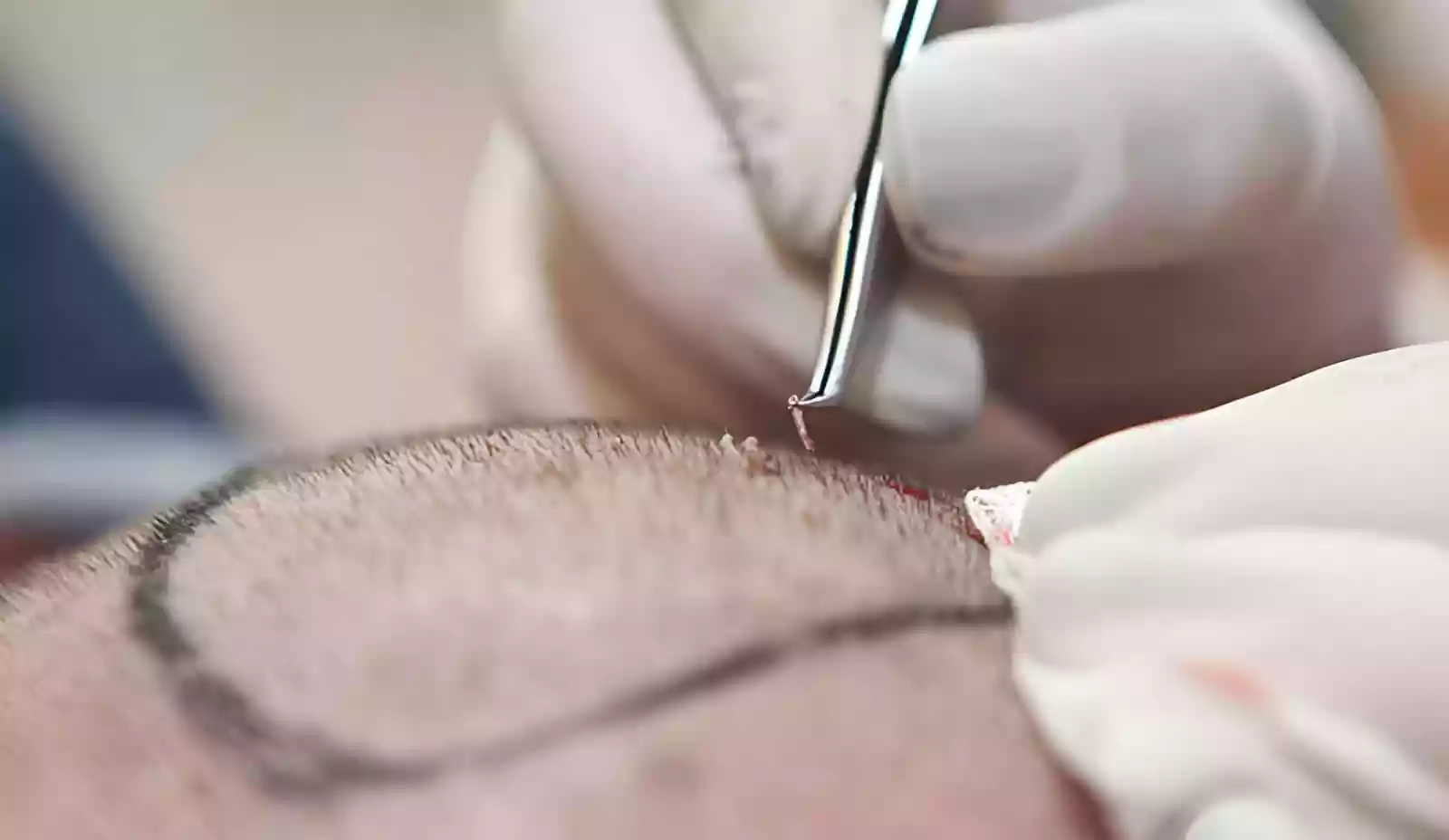 Donor Area Preservation & Graft Density Planning
+
Donor Area Preservation & Graft Density Planning
+Donor Area Protection and Graft Conservation
The donor zone contains a finite supply of permanent hair follicles. Over-harvesting to achieve unrealistic single-session density can permanently deplete donor reserves.
Ethical hair restoration in Antalya prioritizes donor preservation, distributing extractions evenly to ensure the occipital region heals cleanly without patchy thinning.
For details regarding travel planning and accommodations, explore our guide on Treatment Cost Planning in Antalya.
Antalya Climate & Recovery Precautions
When asking Is It Risky to Get a Hair Transplant in Turkey?, post-operative compliance plays a major role in final outcomes, especially in Antalya’s sunny Mediterranean environment:
Patient Safety Verification Checklist
To determine if a provider is trustworthy, international patients should clarify these essential safety points before booking:
Who conducts your medical assessment?
Confirm that a certified doctor evaluates your hair loss history, scalp health, and blood test results prior to surgery.
Who creates recipient site channels?
Ensure a licensed physician personally executes incision channels to control graft direction, angle, and density.
Is the facility officially licensed?
Verify that the clinic holds an International Health Tourism Authorization Certificate from the Turkish Ministry of Health.
What post-operative support is offered?
Ensure access to clear aftercare instructions, washing products, and long-term remote follow-up once you return home.
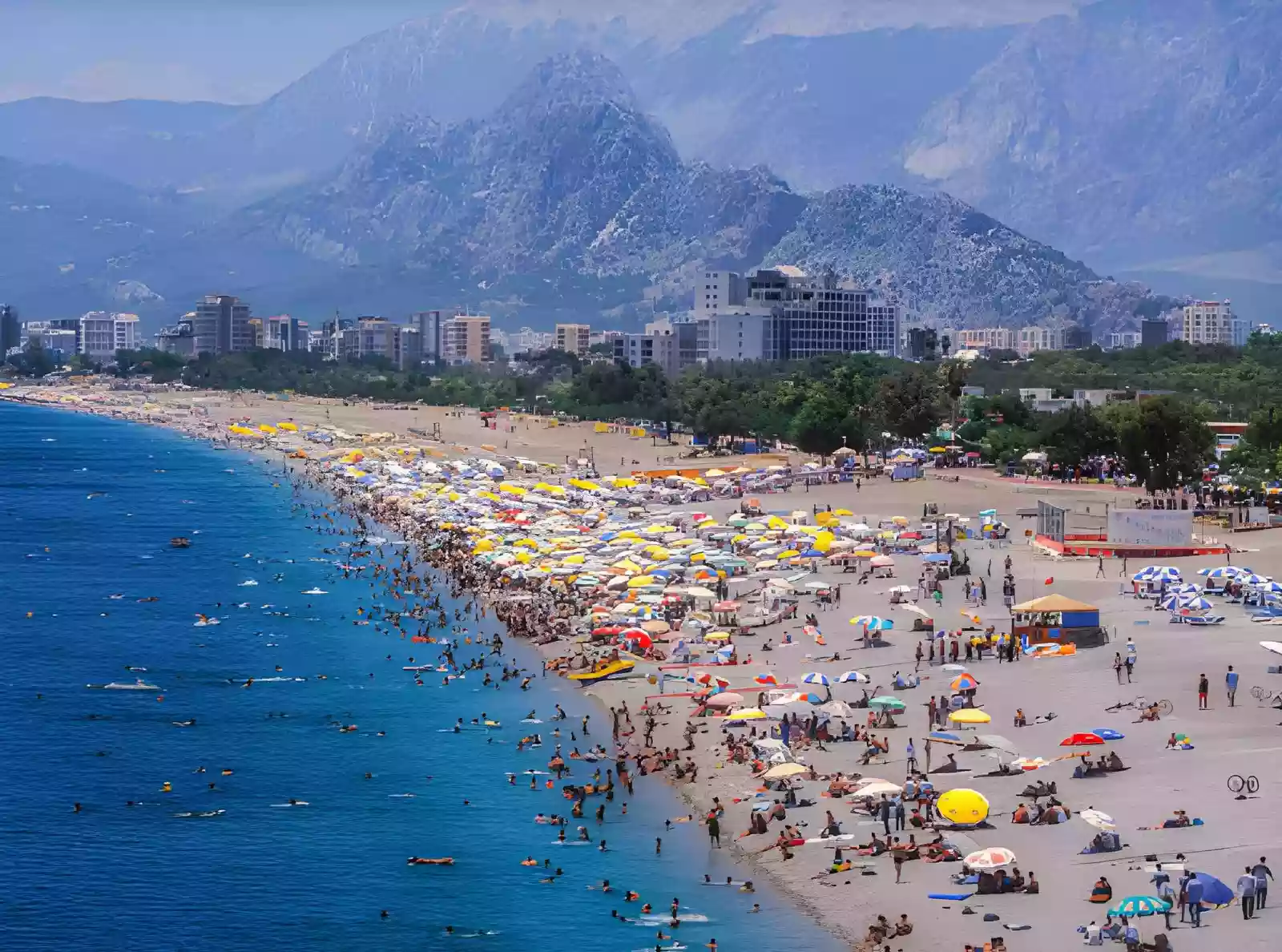 +About Antalya – Land of Eternal Flames & Natural Wonders
About Antalya: Land of Eternal Flames & Natural Wonders
Just outside Antalya lies Mount Chimaera (Yanartaş), where natural gas seeps through mountain rocks, creating “eternal flames” that have burned continuously for over 2,500 years. This natural marvel inspired ancient Greek myths of the Chimera monster and guided ancient Mediterranean sailors at night.
Combining such mythical natural wonders with over 300 days of annual sunshine and high-capacity private hospital networks in Muratpaşa and Konyaaltı, Antalya offers international patients a unique, stress-free setting for medical recovery.
Is It Risky to Get a Hair Transplant in Turkey? Frequently Asked Questions
01Is It Risky to Get a Hair Transplant in Turkey?
02Are clinics in Antalya officially licensed for health tourism?
03What are the main risks of a hair transplant?
04When can I go in the sun or swim in Antalya after surgery?
05Can FUE damage my donor area permanently?
06Should a doctor perform channel creation during surgery?
07Is DHI safer than Sapphire FUE?
08How can I avoid choosing an unaccredited clinic?
09How long do I need to stay in Antalya for treatment?
10How much does a hair transplant cost in Antalya?
Yasal Uyarı: Bu içerikte yer alan bilgiler yalnızca genel bilgilendirme amacıyla hazırlanmıştır ve tıbbi tavsiye yerine geçmez. Tanı ve tedavi süreçleri için mutlaka yetkili bir sağlık kuruluşuna ve uzman hekime danışınız. Sonuçlar kişiden kişiye değişiklik gösterebilir.