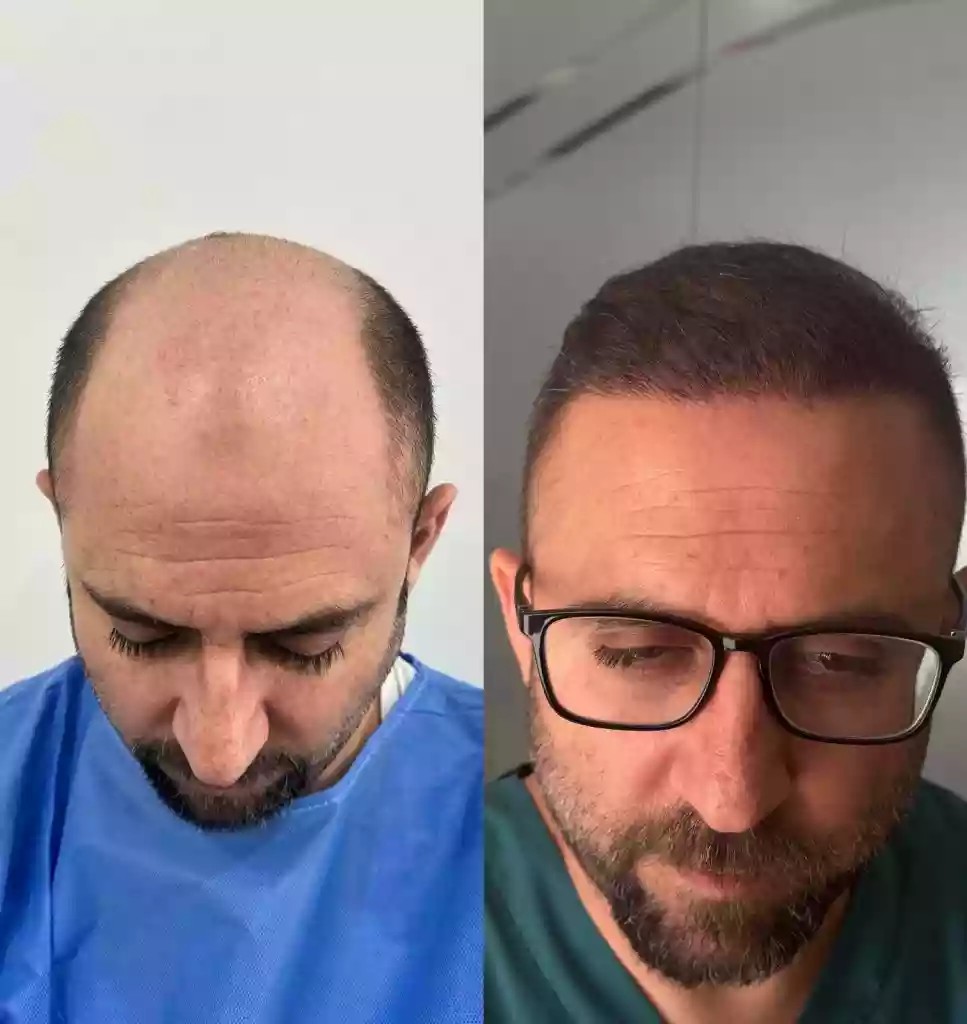
 +Donor Area Recovery After Hair Transplant – FUE Healing
Proper management of Donor Area Recovery After Hair Transplant is an essential component of the overall hair restoration process. While primary focus is often placed on newly transplanted recipient grafts, the occipital donor zone requires dedicated hygiene, gentle washing protocols, and adequate healing time following micro-graft extraction.
Understanding Donor Area Recovery After Hair Transplant helps patients monitor their progress effectively. This clinical guide details stage-by-step recovery from the immediate post-operative phase through long-term maturation, highlighting specific aftercare protocols adapted for Antalya’s coastal environment.
Understanding the Hair Transplant Donor Zone
During Follicular Unit Extraction (FUE), individual graft units are harvested systematically from the donor zone located at the back and sides of the head. Evaluating your Donor Area Recovery After Hair Transplant involves understanding how tiny circular extraction wounds heal by secondary intention without linear scarring.
Achieving optimal Donor Area Recovery After Hair Transplant procedures requires balanced extraction harvesting. Preserving safe inter-graft distances maintains natural donor hair density and prevents visible thinning over time.
Healthcare facilities providing hair restoration in Antalya operate under regulations established by the Turkish Ministry of Health. Facilities serving international patients must maintain an official Health Tourism Authorization Certificate. Additional guidance on surgical recovery overseas can be reviewed through NHS or GOV.UK public health portals.
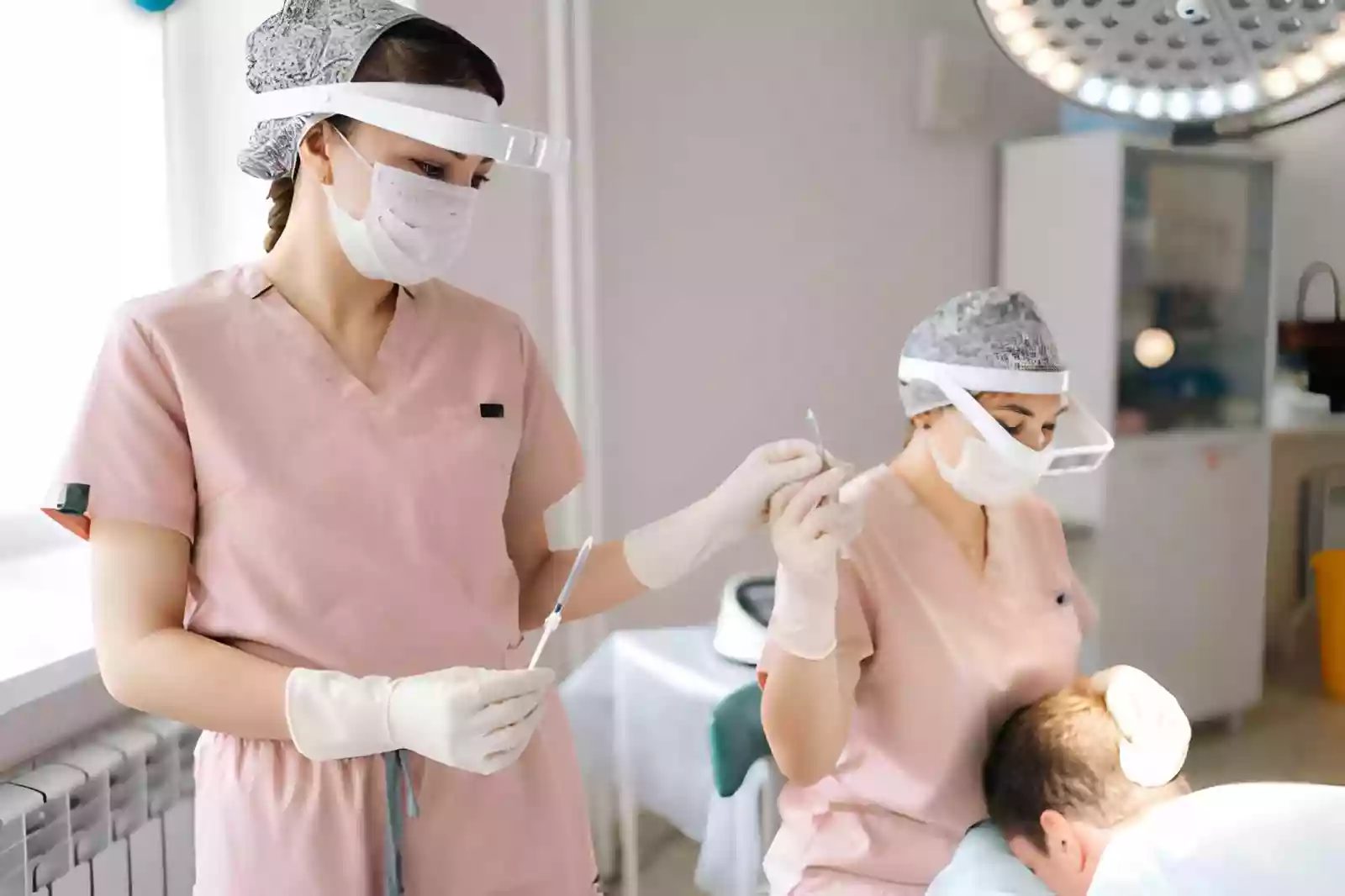 +FUE Donor Area Extraction Planning in Antalya
Timeline for Donor Area Recovery After Hair Transplant
The chronological stages of Donor Area Recovery After Hair Transplant outline what patients should expect during the initial days and subsequent months following FUE harvesting.
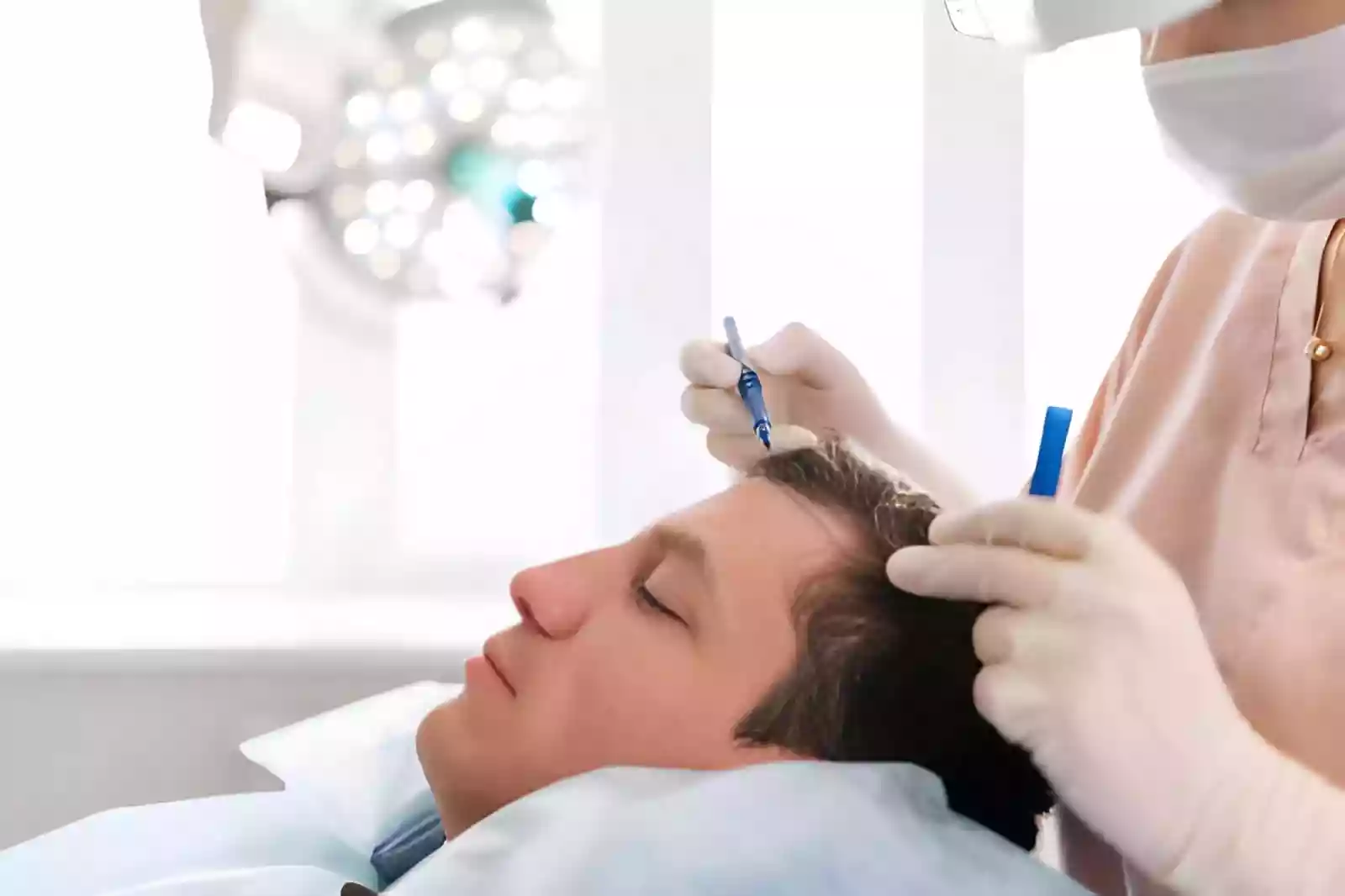 +Donor Area Washing After FUE Hair Transplant
7 Priorities for Donor Area Recovery After Hair Transplant
Washing Protocols, Medication, and Daily Care
Successful Donor Area Recovery After Hair Transplant relies on careful daily hygiene and strict adherence to post-surgical instructions provided by your clinical team.
Antalya Climate Precautions for Donor Healing
Antalya’s sunny Mediterranean climate requires extra diligence to safeguard Donor Area Recovery After Hair Transplant procedures during recovery:
- Sun Exposure Protection: Direct sunlight on the healing donor area must be avoided for at least 4 weeks. UV exposure can cause hyperpigmentation over micro-extraction scars and prolong redness.
- Sea Water Precautions: Swimming in the Mediterranean Sea should be avoided for 30 days post-surgery to minimize bacterial infection risks on open micro-wounds.
- Pools & Chlorine Avoidance: Chlorinated swimming pool water must be avoided for 4 weeks as chemicals can cause scalp dryness and skin irritation.
- Heat & Sweat Control: High humidity and direct heat exposure causing heavy sweat should be restricted for 2 weeks to ensure extraction points remain hygienic.
Long-Term Donor Area Appearance
As donor hair regenerates, extraction points become virtually unnoticeable under normal hairstyles. While FUE avoids long linear incision lines, claims of completely “scar-free” surgery are inaccurate.
FUE creates microscopic circular marks in harvested sites. Their visibility depends on punch size, graft distribution, individual skin tone, healing capacity, and chosen hair length. Standards promoted by international medical bodies like the ISHRS emphasize realistic patient expectations regarding donor capacity.
For additional logistical guidance regarding treatment planning, explore our guide on Treatment Cost Planning in Antalya.
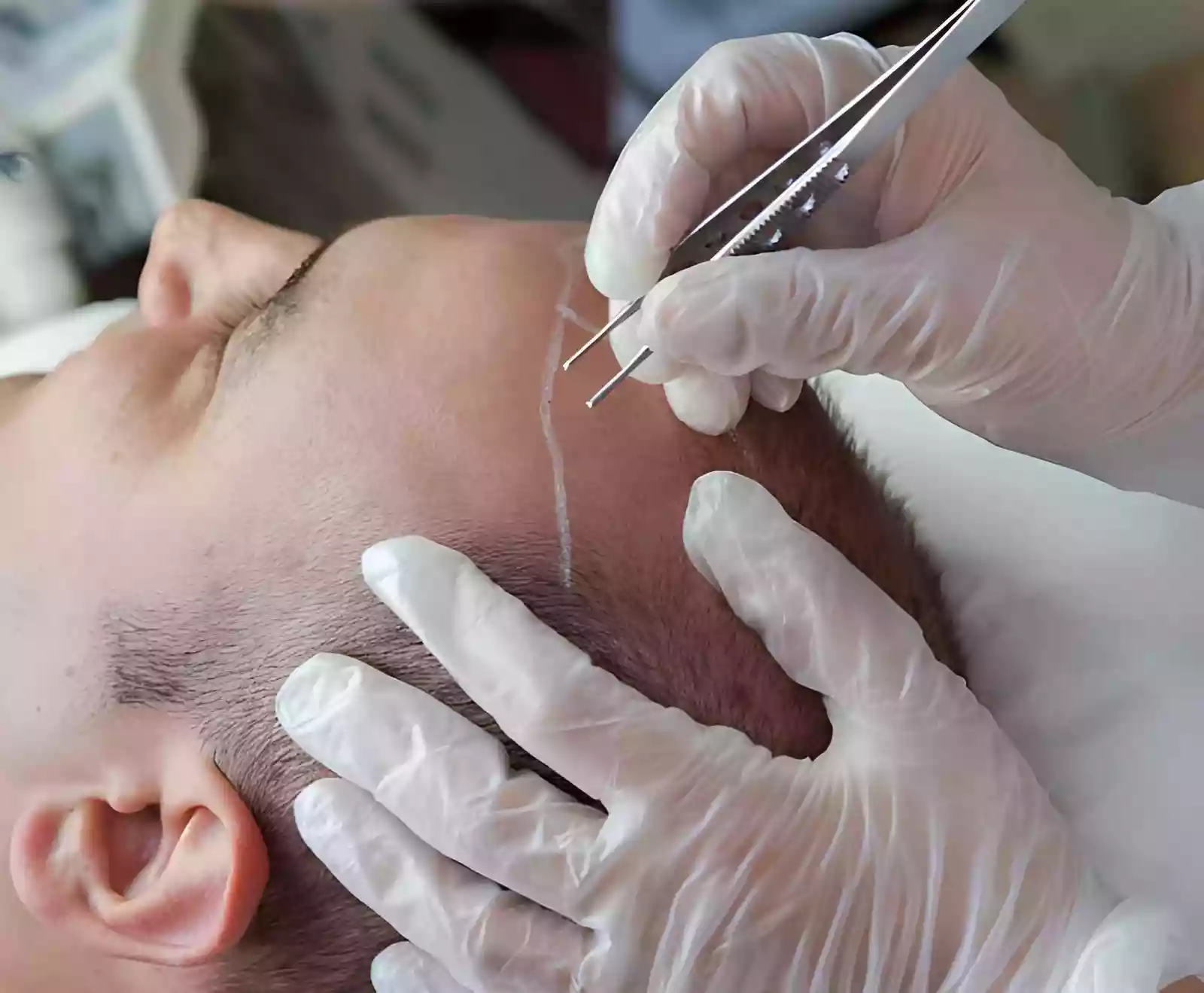 +Donor Area Healing in Antalya
Clinical Warning Signs to Monitor
While standard Donor Area Recovery After Hair Transplant progresses smoothly, recognizing potential recovery complications ensures prompt medical intervention.
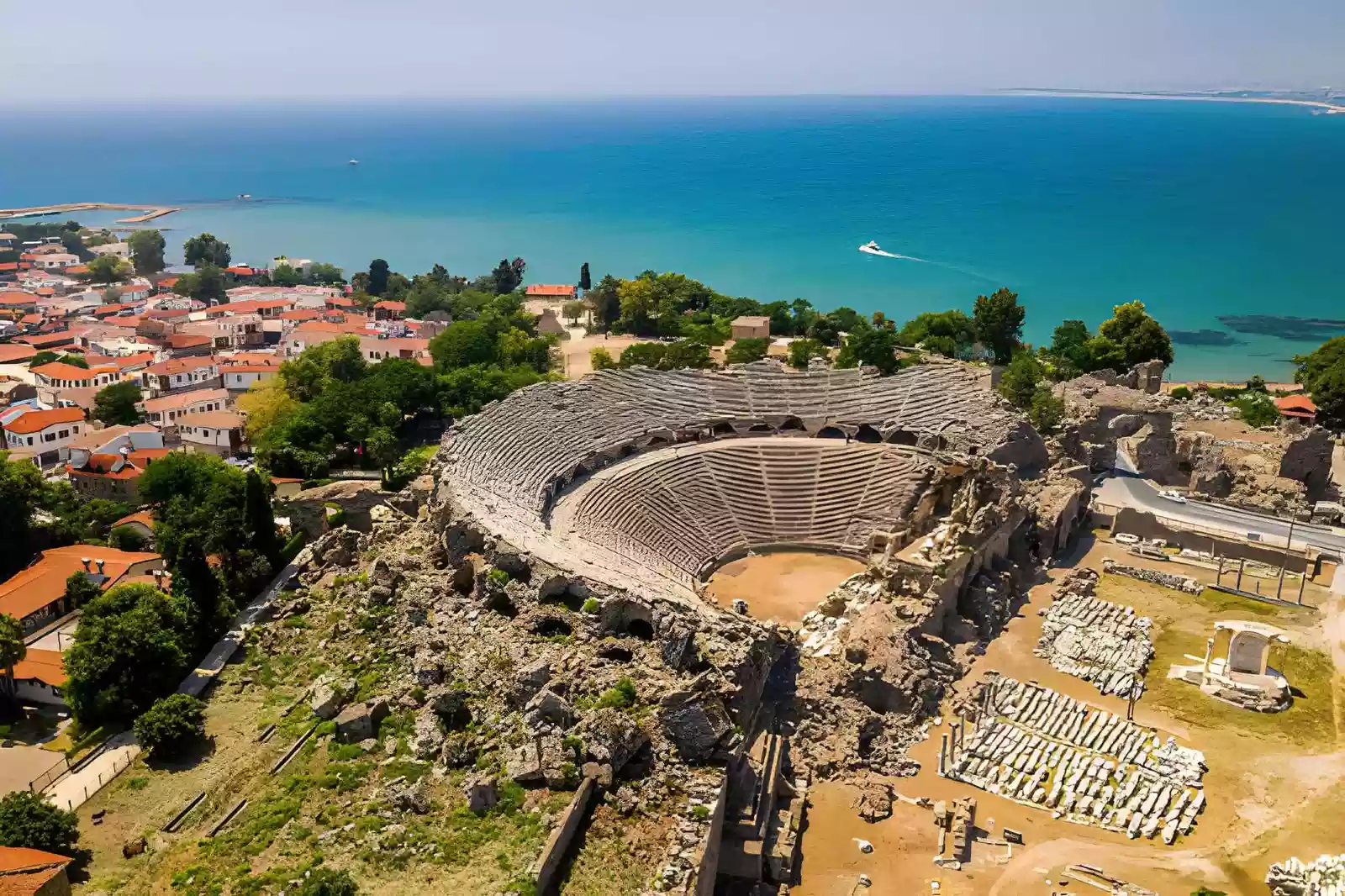 +About Antalya – Coastal Healthcare Hub
About Antalya as a Medical Destination
Antalya is a major Mediterranean hub renowned for its advanced private health sector, high-capacity modern hospitals, and experienced surgical specialists. Located along Türkiye’s southern coastline, the city connects international travel through Antalya Airport (AYT) directly to key healthcare districts such as Muratpaşa and Konyaaltı.
Patients visiting Antalya benefit from comprehensive medical services, high accreditation standards, and an ideal Mediterranean climate designed for comfortable recovery periods.
Donor Area Recovery After Hair Transplant: FAQ
1How long does Donor Area Recovery After Hair Transplant take after FUE in Antalya?
2When can I go in the sun or swim in Antalya after a hair transplant?
3Is redness in the donor area normal during Donor Area Recovery After Hair Transplant?
4How should donor area scabs be cleaned?
5Does FUE leave noticeable scars in the donor zone?
6How much does a hair transplant cost in Antalya?
Yasal Uyarı: Bu içerikte yer alan bilgiler yalnızca genel bilgilendirme amacıyla hazırlanmıştır ve tıbbi tavsiye yerine geçmez. Tanı ve tedavi süreçleri için mutlaka yetkili bir sağlık kuruluşuna ve uzman hekime danışınız. Sonuçlar kişiden kişiye değişiklik gösterebilir.