
Overharvested Donor Area After Hair Transplant – How to Avoid Hair Mill Clinics in Turkey in 2026
Hair transplantation has become one of the most popular cosmetic medical procedures worldwide. Every year, thousands of international patients travel to Turkey for affordable and advanced hair restoration procedures. While many patients achieve natural-looking and life-changing results, another growing group faces one serious problem that is rarely discussed enough:
Donor area overharvesting.
In 2026, one of the biggest concerns in the global hair transplant industry is not only hairline design or density — it is protecting the donor area for the long term.
At Hair Transplant Antalya by Micro FUE Turkey, donor preservation is considered one of the most critical parts of every successful hair transplant procedure.
This guide explains:
- What overharvesting means
- Why it happens
- How to identify risky clinics
- What a healthy donor area should look like
- How modern Sapphire FUE and Micro FUE techniques help protect the donor region
- What international patients should know before booking surgery in Turkey

What Is Donor Area Overharvesting?
The donor area is usually the back and sides of the scalp where genetically stronger hair follicles are extracted for transplantation.
Overharvesting happens when too many grafts are removed from the same region without proper planning.
This can cause:
- Visible thinning in the donor area
- Patchy or moth-eaten appearance
- Uneven density
- Scarring visibility
- Permanent cosmetic damage
- Limited graft availability for future surgeries
Unfortunately, many patients only focus on the front hairline before surgery and do not pay attention to donor management.
A natural-looking hair transplant is not only about the implanted area.
It is also about preserving the donor zone.
Why Overharvesting Happens in Turkey
Turkey remains the world leader in hair transplantation thanks to experience, medical tourism infrastructure, and advanced techniques. However, the rapid growth of the industry has also created “hair mill clinics.”
These high-volume clinics often prioritize quantity over quality.
In many cases:
- Multiple surgeries are performed simultaneously
- Technicians perform most of the procedure
- Donor planning is rushed
- Graft extraction becomes aggressive
- Patients are promised unrealistic graft numbers
Recent international reports and patient discussions increasingly highlight concerns about technician-led surgeries and overharvesting in mass-production clinics.
The problem is not Turkey itself.
The problem is choosing the wrong clinic.
Signs of an Overharvested Donor Area
Many patients realize the issue months after surgery.
Common signs include:
1. Patchy Appearance
The donor area looks uneven with visible empty spots under light.
2. Scalp Visibility
Too many grafts are removed from concentrated zones, making the scalp visible even with short haircuts.
3. Thin Donor Density
The back of the head no longer appears naturally dense.
4. White Dot Scarring
Poor extraction technique can leave visible scars.
5. Uneven Hair Growth Direction
Improper extraction angles may disturb the natural appearance of the donor area.
How Ethical Clinics Prevent Overharvesting
Experienced clinics follow strict donor management protocols.
At Micro FUE Turkey, every patient receives a personalized extraction plan based on:
- Hair density
- Hair thickness
- Donor elasticity
- Future hair loss risk
- Family history
- Age
- Crown stability
The goal is never simply to extract the maximum number of grafts.
The goal is long-term natural appearance.
Why Conservative Extraction Is Better
Some clinics advertise:
- 5,000 grafts
- 6,000 grafts
- Mega sessions in one day
But more grafts do not always mean better results.
In many cases:
- Excessive extraction damages donor reserves
- Future surgeries become difficult
- Density looks artificial
- Shock loss risk increases
Modern hair transplantation focuses on strategic planning rather than aggressive harvesting.
A successful result should still look natural:
- 5 years later
- 10 years later
- even if hair loss progresses
The Importance of Donor Area Mapping
Advanced clinics now use donor mapping systems before extraction.
This includes:
- Density measurements
- Safe extraction zones
- Microscopic donor analysis
- Multi-zone extraction balancing
Instead of removing grafts from one concentrated area, healthy extraction distributes grafts evenly across the donor region.
This creates:
- Better healing
- Better camouflage
- Less visible thinning
- More sustainable graft usage
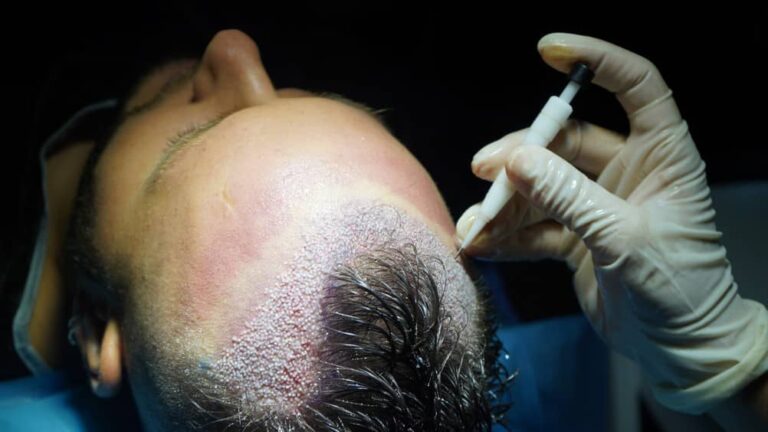
Sapphire FUE and Donor Protection
Sapphire FUE has become one of the most popular techniques in Turkey.
Its advantages include:
- Smaller incisions
- Reduced trauma
- Faster healing
- Better graft placement
- Improved blood circulation
When performed correctly, Sapphire FUE helps preserve both:
- recipient area aesthetics
- donor area integrity
At Hair Transplant Antalya, Sapphire FUE procedures are designed to maintain natural donor density while achieving balanced implantation results.
Why Micro FUE Matters in 2026
One of the biggest advancements in modern hair restoration is Micro FUE extraction.
Micro FUE focuses on:
- smaller punch sizes
- precise extraction angles
- minimal trauma
- natural donor appearance
Benefits include:
- less visible scarring
- improved healing
- reduced overharvesting risk
- better short-hair appearance
Patients who prefer faded hairstyles or shorter cuts especially benefit from conservative Micro FUE approaches.
The Psychological Impact of Donor Damage
Many patients initially feel excited after surgery because the frontal hairline looks improved.
However, months later, donor damage becomes emotionally stressful.
Patients may experience:
- anxiety
- regret
- loss of confidence
- difficulty wearing short hairstyles
- need for corrective procedures
Corrective hair transplantation is often more difficult than primary surgery because donor resources are limited.
That is why choosing the right clinic the first time is extremely important.
Can an Overharvested Donor Area Be Fixed?
In some cases, partial improvement is possible.
Corrective solutions may include:
- Beard donor extraction
- Body hair transplantation
- SMP (Scalp Micropigmentation)
- Density redistribution
- Repair procedures
- Long-hair styling strategies
However, severe donor damage cannot always be completely reversed.
Prevention is always better than correction.
Questions Every Patient Should Ask Before Booking
Before choosing a clinic in Turkey, patients should ask:
Who performs the graft extraction?
How many surgeries are performed daily?
Is donor area planning personalized?
What punch size is used?
Are donor photos available after healing?
Is the procedure surgeon-led?
What happens if future hair loss continues?
Ethical clinics answer these questions transparently.
Red Flags of Hair Mill Clinics
Patients should be cautious if:
- Extremely low prices are offered
- Unrealistic graft numbers are promised
- The consultation lasts only a few minutes
- The clinic focuses only on sales
- There is no long-term donor discussion
- Multiple patients are operated on simultaneously
- There is pressure to book immediately
In 2026, educated patients increasingly prioritize:
- safety
- ethics
- natural results
- donor preservation
rather than simply chasing the cheapest package.
Why Antalya Is Becoming a Preferred Destination
While Istanbul remains globally famous, Antalya is becoming increasingly attractive for international hair transplant patients.
Patients appreciate:
- lower stress environment
- luxury recovery hotels
- shorter traffic times
- medical tourism infrastructure
- private patient-focused clinics
Many international visitors combine:
- hair restoration
- recovery vacation
- seaside accommodation
- VIP medical tourism services
This creates a more comfortable overall experience.
The Future of Hair Transplantation in Turkey
The industry is evolving rapidly.
The future belongs to clinics focusing on:
- ethical medicine
- natural density
- donor preservation
- long-term planning
- personalized surgery
- realistic expectations
Modern patients no longer want “maximum grafts.”
They want:
- natural hairlines
- healthy donor areas
- sustainable results
- medically responsible procedures
Final Thoughts
An excellent hair transplant should be invisible.
Not only should the transplanted hair look natural —
the donor area should also remain healthy and balanced.
In 2026, donor preservation has become one of the most important indicators of surgical quality.
At Hair Transplant Antalya by Micro FUE Turkey, every procedure is designed with long-term donor protection, natural aesthetics, and individualized planning in mind.
Because the best hair transplant is not the one that extracts the most grafts.
It is the one that protects your future while restoring your confidence naturally.
Frequently Asked Questions
Can overharvesting happen even with FUE?
Yes. Poor planning or aggressive extraction can still damage the donor area even with FUE techniques.
Is Sapphire FUE safer for the donor area?
When performed correctly, Sapphire FUE may reduce trauma and improve healing.
How many grafts are considered safe?
It depends on donor density, scalp characteristics, and long-term hair loss progression.
Can overharvested areas recover naturally?
Minor thinning may improve slightly, but severe overharvesting is often permanent.
Is Antalya safer than Istanbul for hair transplant?
Safety depends on the clinic and medical team, not the city itself.
Can beard hair repair donor damage?
In selected cases, beard grafts may help improve corrective procedures.
What is the safest extraction technique in 2026?
Micro FUE with conservative donor planning is considered among the safest modern approaches.
Should I avoid very cheap clinics?
Extremely low-cost clinics may increase the risk of technician-only procedures and poor donor management.
Can SMP help overharvested donor areas?
Yes. Scalp micropigmentation may improve visual density in some cases.
Why do some clinics promise extremely high graft numbers?
High graft numbers are often used as a marketing strategy, but they are not always medically appropriate.