
Proper aftercare is crucial following your hair transplant in Antalya to ensure optimal results and protect your investment in your new hair. Whether you’ve undergone a FUE hair transplant Antalya, an afro hair transplant Antalya, a beard transplant, or any other procedure, adhering to specific aftercare guidelines will significantly impact your recovery and the success of the transplant.
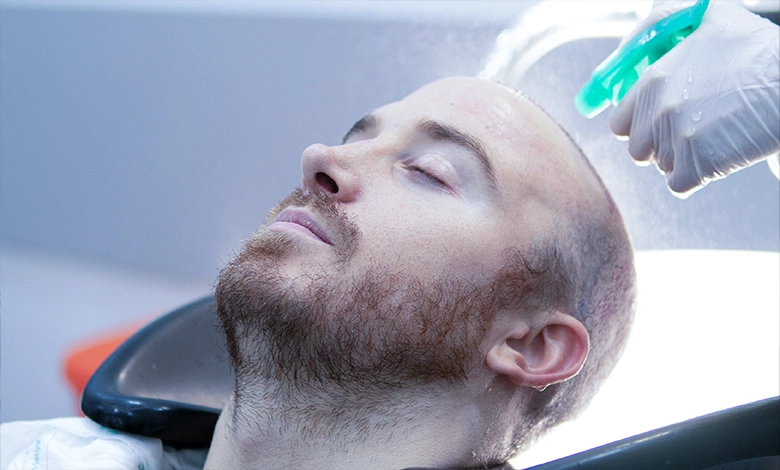
Aftercare for a FUE Hair Transplant Antalya
1. Hair Transplant Clinic Washing Instructions
- Initial Wash: On the day after your procedure, gently apply the provided gel to the recipient area and leave it for 20-30 minutes. Rinse with lukewarm water.
- Daily Washing: For the first 10 days, apply the aftercare shampoo to your palms and gently place it on both the donor and recipient sites. Massage your scalp in a circular motion with your fingertips, avoiding fingernails. Rinse with lukewarm water.
- Post-Day 10: After 10 days, gently rub your scalp to remove scabs and flakes. Continue using the aftercare shampoo as instructed.
2. Hair Transplant Aftercare Medication
- Arveles 25 mg (Painkiller): Take one tablet twice daily after meals, one in the morning and one in the evening, as needed.
- Amoklavin-Bid 1000mg (Antibiotic): Take one tablet twice daily after meals for 5 days.
- Prednol 16mg (Swelling Reducer): Take two tablets after meals on the first and second days, and one tablet on the third and fourth days.
Hair Transplant Recovery Timeline: What to Expect
1. Post-Surgery Recovery
- Days 1-3: Avoid strenuous activities and keep your head elevated to reduce swelling. Mild pain or discomfort can be managed with over-the-counter medication.
- Days 4-10: You may experience swelling and scabbing. Follow washing instructions carefully to avoid disrupting grafts.
- Days 11-30: Scabs will start to fall off, and you may notice some shedding of transplanted hair. This is a normal part of the process.
- Months 1-3: New hair growth begins, with noticeable improvement expected.
- Months 6-12: Full results become visible, with 50%-60% of hair growth achieved.
- 18 Months: Final results are evident.
2. Post-Hair Transplant Care: The Ultimate Guide
- Shampoo Use: Use the special shampoo recommended by your surgeon. Avoid direct sunlight and refrain from wearing hats or headwear that could cause sweating.
- Activity: Avoid scratching or rubbing your scalp and any activities that cause excessive sweating. Consider using additional treatments like a laser comb if recommended.
Hair Transplant Progress: What to Expect in the First Few Weeks
In the initial weeks, you may not see immediate results, and some shedding of transplanted hair is normal. However, new hair growth will gradually become visible in the following months. Regularly take photos to track your progress and consult your surgeon with any concerns.
Hair Transplant Timeline Photos: Tracking Your Progress
Take photos at regular intervals as advised by your surgeon to monitor your hair transplant progress. Keeping a journal of your recovery can also help track any changes or improvements in your hairline and scalp.
Hair Transplant Healing Time: How Long Does It Take to Recover?
Recovery time can vary, but visible results typically start to show within six to twelve months, with full results appearing by eighteen months. Follow your surgeon’s aftercare instructions carefully to ensure the best possible outcome.
FUE Hair Transplant Recovery Timeline: What to Expect
FUE hair transplants generally have a quicker recovery time compared to other methods, with less scarring. Most people return to normal activities within a week or two, although the full healing process can take several months.
Hair Transplant Aftercare Tips: Dos and Don’ts

Dos:
- Follow your surgeon’s aftercare instructions.
- Use the recommended special shampoo.
- Keep your scalp clean and dry.
- Protect your scalp from the sun and wind with a hat if needed.
Don’ts:
- Avoid scratching or rubbing your scalp.
- Refrain from strenuous activities or exercise.
- Don’t wear hats or headwear that cause sweating.
- Avoid smoking or using nicotine products.
For a personalized aftercare plan and to discuss your specific needs, contact us today at Hair Transplant Antalya. Our experts are here to assist you with the best care and guidance throughout your recovery process.
Hair Transplant Aftercare: 20 Frequently Asked Questions (FAQ)
1. How should I sleep after a hair transplant?
Sleep with your head elevated at a 30–45° angle for the first 3–5 nights using two pillows or a travel neck pillow. This helps reduce swelling and protects the newly implanted grafts.
2. When can I wash my hair?
Most clinics recommend the first gentle wash 24–48 hours after surgery. Follow your surgeon’s instructions carefully and use only the recommended shampoo and lotion.
3. Is swelling normal after a hair transplant?
Yes. Mild swelling on the forehead or around the eyes is common between days 2–4 and usually disappears within a few days.
4. When do the scabs fall off?
Scabs generally begin to loosen after one week and should be completely gone within 10–15 days if you follow the washing instructions correctly.
5. Can I touch or scratch my scalp?
No. Avoid scratching, rubbing, or picking at the grafts during the first two weeks, as this may dislodge transplanted follicles.
6. When can I return to work?
Most patients return to office work within 2–5 days. If your job involves heavy physical activity, wait at least one week or as advised by your surgeon.
7. When can I exercise?
Light walking is usually allowed after several days. Avoid weightlifting, running, swimming, and intense workouts for approximately 3–4 weeks.
8. Can I wear a hat?
A loose-fitting hat may be worn after several days if approved by your surgeon. Tight caps or helmets should be avoided during the first two weeks.
9. Is shedding after a hair transplant normal?
Yes. Shock loss typically occurs between weeks 2–8. This is a normal part of the hair growth cycle, and new hair will gradually regrow.
10. When will new hair start growing?
Most patients notice new growth around months 3–4, with significant improvement between months 6–9 and final results after 12–15 months.
11. Can I smoke after surgery?
Avoid smoking for at least 7–14 days because nicotine reduces blood circulation and may negatively affect graft survival.
12. Can I drink alcohol after a hair transplant?
Avoid alcohol for at least one week, as it can increase swelling, interfere with healing, and interact with prescribed medications.
13. When can I swim in the sea or pool?
Avoid swimming pools, the sea, hot tubs, and saunas for at least two weeks or until your surgeon confirms that healing is complete.
14. Can I expose my scalp to the sun?
Direct sun exposure should be avoided for at least one month. Wear a loose hat when outdoors after receiving medical clearance.
15. When can I get a haircut?
You may trim the donor area after about one month. Haircuts involving the transplanted area should only be done after your surgeon approves.
16. When can I dye or color my hair?
Hair coloring should generally be postponed for at least 4–6 weeks to prevent irritation to the healing scalp.
17. What medications should I take after surgery?
Take only the medications prescribed by your clinic, which may include antibiotics, pain relievers, anti-inflammatory drugs, and special hair care products.
18. Is itching normal?
Yes. Mild itching is common during healing. Do not scratch your scalp. Use only approved moisturizing sprays or products recommended by your clinic.
19. How can I improve my final results?
Follow all aftercare instructions, eat a balanced diet, stay hydrated, avoid smoking, and consider supportive treatments such as PRP or mesotherapy if recommended.
20. When should I contact my clinic?
Contact your clinic immediately if you experience severe pain, excessive bleeding, signs of infection, high fever, unusual swelling that worsens, or any unexpected symptoms.